


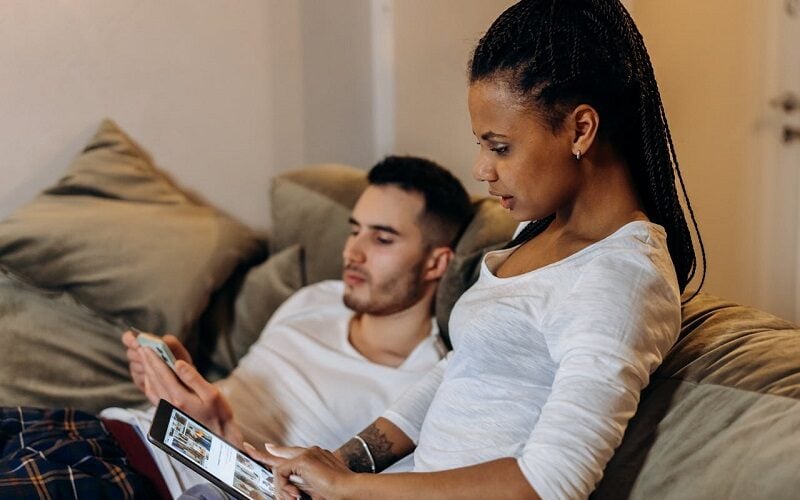
If you’ve ever felt the sting after a comment or “joke” that felt just a little bit off, especially if it came from your partner, you’re probably not imagining things. Microaggressions, which are subtle, biased, discriminatory behaviors, can cut deep. Maybe you walked away from an interaction feeling rejected. You might have felt confused or guilty, wondering if you made too much out of it. This kind of emotional tug-of-war is common when dealing with microaggressions in a relationship, and your feelings are completely valid.
Learning to navigate microaggressions in a close relationship is challenging. You may feel torn between your instinct to protect yourself and your desire to maintain peace with someone you care deeply about. If you’ve ever struggled to find the right words to explain how you’re feeling, you’ve come to the right place.
Continue reading to learn practical tools that will help you deal with microaggressions in your relationship.
Understanding Microaggressions in Relationships
Microaggressions are the slight, often unintentional, comments and behaviors that demonstrate disrespect, bias, or dismissiveness. Even if they’re not intentional, microaggressions can be hurtful since they’re statements based on your identity (race, gender, sexual orientation, age, or ability). While microaggressions in the workplace are more commonly discussed and may be easier to identify, dealing with them in an intimate relationship is incredibly challenging.
Couples Therapy Online
Strengthen your relationship through couples therapy you can participate in together or apart, at your convenience.
In romantic partnerships, microaggressions can take several forms, targeting your gender, race, or other aspects of your identity. Because you’re supposed to be vulnerable in relationships and trust your partner, these moments can be particularly hurtful and are often a common challenge in interracial relationships.
Some examples of what micro microaggressions look like in relationships may include:
- Micro-invalidations: These are comments or actions that undermine or dismiss your experience. For example, you might tell your partner a story about a time you faced discrimination or racial trauma at work, and they reply with something like: “I really don’t think this is about race,” causing you to feel unseen or unheard.
- Micro-insults: These are subtle put-downs, insults, or backhanded compliments that reinforce harmful stereotypes. This might look like your partner being surprised when you finally achieve something you’ve been working towards. They might make a joke like “you’re not like other people from your background.”
- Micro-assaults: These are more overt and seemingly intentional slights, like a derogatory joke towards women or minorities that’s later brushed off. After insulting you, they say something like “Relax. I was just kidding.”
The Emotional Toll of Microaggressions
Microaggressions carry an emotional weight that, even if they feel minor at the time, accumulate over time. Research suggests that racial microaggressions can affect physical and mental health, contributing to everything from high blood pressure to cardiovascular conditions to anxiety. It stands to reason that the same can be true when it comes to microaggressive behavior in intimate relationships as well.
The expression “death by a thousand cuts” perfectly describes how small slights can erode your sense of psychological safety and how you trust others over time. Microaggressions in relationships damage emotional intimacy, cause stress, and make you feel invalidated and alienated. You might suddenly start questioning your reality or withdraw emotionally to protect yourself. The urge to try and process or justify your feelings can leave you feeling exhausted and unable to connect with your partner.
How to Recognize and Name Microaggressions in Your Relationship
It’s normal to wonder if what you’re experiencing is a true microaggression or if your partner just made an odd comment. You might question your judgment and feel like you’re being overly sensitive. You might also worry about rocking the boat or be hesitant to confront your partner after they make a questionable comment.
“Microaggressions in relationships are difficult to recognize because they are coming from a person who is close to them and they can appear harmless. However, it is important to measure their effects versus the intention. Microaggressions can cause the receiver to feel belittled, undermined or gaslit based on a part of their identity.”
Talkspace Therapist Reshawna Chapple, PhD, LCSW
Tune into your own experience and learn to identify microaggressions by:
- Paying attention to your emotional response: Did their comment make you feel unseen, stereotyped, or dismissed? Did you experience a sudden drop in mood? Did you feel the need to defend your identity?
- Tuning into your body: Did you experience any physical reactions, like increased tension, a racing heart, or feeling immediately drained?
- Thinking about the context: Was the comment made when you were in a vulnerable moment? Was it said in front of others, so you felt exposed or embarrassed?
- Reflecting on patterns that have developed: Is this a one-time slip? Or have you noticed a pattern of these types of comments and behaviors?
- Challenging yourself with questions: Ask yourself, “Am I hesitant to bring this up because I don’t want to be labeled ‘too sensitive’ or told that I’m overreacting or being difficult”?
- Watching for lingering effects: Do you replay comments or conversations over in your head hours or even days later? Is it hard to let go of what was said? Persistent rumination might signal that something deeper was triggered.
It’s OK if you feel confused or conflicted as you try to understand microaggressions in your relationship, especially if you don’t fully get the difference between passive-aggressive vs. microaggressive. Talking to a trusted friend, family member, or therapist can help you figure out how to deal with microaggressions.
| Passive-aggressive comments | Microaggressions | |
| What it is | Comments made when someone is bothered but uncomfortable with direct communication. | Comments or actions (intentional or not) that reinforce stereotypes or stigmas about marginalized groups. |
| Example | “I guess I’ll just do it myself since you’re too busy.” | “You’re so articulate for someone from your neighborhood.” |
| Cause | Likely motivated by frustration or conflict avoidance. | Often motivated by implicit bias or stereotypes, even if they’re unintentional. |
How to Talk to Your Partner About Microaggressions
Opening up to your partner about microaggressions can be scary. It’s normal to worry about them misunderstanding you. Since microaggressions often cause feelings of being dismissed, that’s an understandable fear as well. You might be afraid you’ll start a new argument.
However, as uncomfortable as it is, addressing these moments is crucial for your own well-being and for the health of your relationship. Having strategies in place will help you guide the conversation so it’s productive and not contentious. Remember: assertiveness isn’t aggression. It’s respectful honesty.
If you’re wondering how to communicate in a relationship as you respond to microaggressions, consider the following tips.
Choose the right moment and setting
When you’re dealing with any relationship problem, timing and environment are crucial. Find a space and time that’s private and feels safe for both of you. You don’t want to be distracted or stressed. A calm and neutral setting ensures both of you feel open and ready to have an honest conversation.
Use “I” statements and impact language
“I” statements are powerful ways to approach difficult situations without putting your partner on edge. As you explain, focus on how their comments and behavior make you feel, and resist the urge to accuse or blame them.
Using “I” statements is a healthy communication exercise for couples. It tells your partner that you hear what they’re saying and you’re not going to attack them. “I” statements can open the door to empathy and understanding on both parts.
These are some successful ways to use “I” statements to address microaggressions:
- When you said ______ , I felt hurt and unseen.
- I know you probably didn’t mean it this way, but the comment you made about ______ made me uncomfortable. It felt like a stereotype.
- I felt very hurt when you made that comment about my background. It reminded me of times I’ve encountered stereotypes about my race in the past.
- I want to feel confident that you take my experiences seriously, even when they’re different from yours. I felt hurt and dismissed after I tried to talk to you about ______.
- I feel disconnected when I think you’re dismissing my feelings. I really wish we would discuss it.
Set boundaries with compassion
Boundaries are an essential part of any healthy relationship. They’re not about punishing your partner. They protect your emotional safety and can help you and your partner become closer. It’s OK to be very clear about what you need moving forward.
“If a partner is interested in listening and trying to understand why their works hurt you it is a good indication that they are willing to make a change. Be clear about why the words hurt and what you would have liked to hear instead. Additionally, be clear and consistent in naming future infractions if the behavior continues.”
Talkspace Therapist Reshawna Chapple, PhD, LCSW
Some boundaries you can set for your partner are:
- I want to avoid jokes about my background because they make me uncomfortable.
- I truly care about our connection, but I need to pause our conversations if they start to feel overwhelming.
- I appreciate your perspective, but I don’t like jokes about my identity. They hurt me, even if you think they’re lighthearted.
- It’s important to me that we’re both comfortable sharing our experiences. Can we try to listen to each other without interrupting or minimizing one another?
- I’m prioritizing my own well-being, so I might ask for some alone time after we have a difficult conversation. Please know that I’m not trying to shut you out—I just need some space to process what happened.
Healing from Microaggressions in Your Relationship
As hurtful as they can be, healing from microaggressions in a relationship is possible. It will take time and effort, and your partner will need to take accountability. An apology is a good start, but it usually takes more than that to make things right. Actions speak louder than words when it comes to rebuilding trust.
Practicing assertiveness
You always have the right to speak up when you’re feeling hurt. It can feel uncomfortable when you first do it, but practicing assertiveness honors your feelings and needs. You don’t need to minimize what you’re feeling for the sake of harmony in your relationship.
Encouraging self-education
If you open up to your partner about your feelings regarding microaggressions and they seem committed to change, encourage them to educate themselves more about what microaggressions are and how implicit bias works.
You can encourage your partner to educate themselves with:
- Books
- Articles
- Podcasts
- Online resources
- Support groups
- Therapy (both individual and couples counseling can be beneficial to each person in the relationship)
Revisiting boundaries
Even if you previously set boundaries, they can shift as you heal and your relationship grows. Check in with yourself regularly to determine if you need new boundaries.
Ask yourself questions like:
- Do I need something different from my partner now?
- Do I feel safe and respected?
- What can my partner do differently to help me?
- Am I speaking confidently about my needs?
Attending therapy
The wounds microaggressions cause in a relationship can become deeply ingrained. This is especially true when they’re tied to past trauma or ongoing patterns. Therapy, whether you go individually or as a couple, is a safe space to process your feelings. You’ll learn healthy, practical communication skills, and you can practice working through challenges together as a team.
“Couples therapy might help if a partner refuses to change the negative behavior or refuses to accept responsibility for the continued use of microaggressions. A therapist can mediate and teach skills to improve communication.”
Talkspace Therapist Reshawna Chapple, PhD, LCSW
Online therapy platforms like Talkspace make getting therapy easier than ever. You can connect with an experienced licensed therapist who understands how microaggressions affect a relationship.
Not every relationship will be able to heal from microaggressions. Sometimes, the best choice is to walk away from the person causing you distress. However, with the right support, guidance, and care, many relationships can recover and even become stronger.
If you’re ready to take the next step, Talkspace offers online couples counseling and individual therapy to help you navigate any relationship challenges. You deserve to feel seen and respected, and Talkspace can help. Get started with online couples therapy today.
Sources:
- Wong G, Derthick AO, David EJR, Saw A, Okazaki S. The What, the why, and the How: A Review of Racial Microaggressions Research in Psychology. Race and Social Problems. 2013;6(2):181-200. doi:10.1007/s12552-013-9107-9. https://pmc.ncbi.nlm.nih.gov/articles/PMC4762607/. Accessed July 1, 2025.
Talkspace articles are written by experienced mental health-wellness contributors; they are grounded in scientific research and evidence-based practices. Articles are extensively reviewed by our team of clinical experts (therapists and psychiatrists of various specialties) to ensure content is accurate and on par with current industry standards.
Our goal at Talkspace is to provide the most up-to-date, valuable, and objective information on mental health-related topics in order to help readers make informed decisions.
Articles contain trusted third-party sources that are either directly linked to in the text or listed at the bottom to take readers directly to the source.